
Outbound Marketing Is Retiring – What Happens Now?
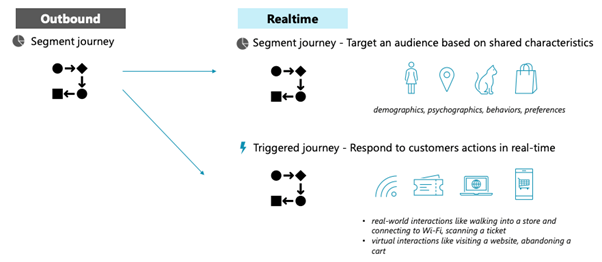
Starting in the summer of 2025, Outbound Marketing will be phased out. The Dynamics app for newsletters and bulk mailings will no longer be available, andReal-time Journeys will take center stage instead. Some of you may have already started using Real-time Journeys, but for many, this transition is still in the future. Here, we explain the differences between the two apps and why it’s time to start planning for the upcoming change.
Outbound Marketing – a proven method, but now it’s time to move on
For many years, outbound marketing has been the go-to tool for mass mailings and newsletters. For many companies, it has been an effective method for reaching large groups of people with the same message. But at the same time, it has had its limitations: an impersonal tone, difficulty measuring effectiveness, and a lack of ability to tailor communication to the recipient’s interests and behaviors. And as we all know, when has anyone actually asked for yet another mass email?
With Real-time Journeys, we’re moving beyond traditional methods and adopting a more flexible, personalized approach.
What does the transition to Real-time Journeys entail?
Real-time Journeys has been available alongside Outbound Marketing since 2021 and has already proven to be a powerful tool for creating more engaging and relevant communication. Instead of simply sending out pre-set emails at fixed times, Real-time Journeys focuses on tailoring content based on the recipient’s behavior—in real time.
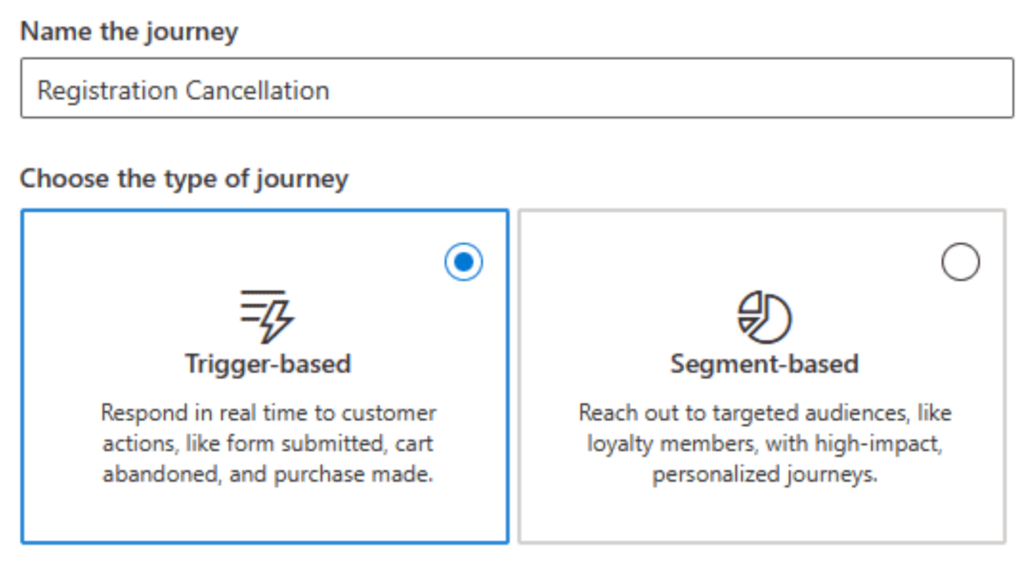
Using triggers, the system responds to how the recipient interacts with your content.
In the banking industry, one example is when a customer’s mortgage interest rate discount expires. This can trigger a journey that automatically sends a personalized email with information about current interest rates and an offer to schedule a personal consultation. In the next step, a new trigger is set that activates based on how the customer responds to the first email. For example, if the customer clicks the link to book a consultation, a new series of emails can begin, providing further details or preparation for the meeting. If the customer does not engage, a reminder or an alternative offer can be sent to increase the likelihood of engagement.
Let’s turn our attention to the insurance industry—where an insurance customer’s home insurance policy is nearing renewal. This triggers an automated email reminding the customer of the renewal and informing them of any changes. If the customer does not respond, a reminder can be sent to encourage them to seek advice. If the customer clicks the link in the first email, a follow-up email is triggered with an in-depth article about insurance options or a tailored offer based on the customer’s interests
It is this dynamic approach to tailoring communication that makes Real-time Journeys so effective—the message is delivered at exactly the right moment, in a way that feels relevant and engaging to the recipient.
The Benefits of Real-time Journeys
Although real-time journeys are not a new concept, they have undergone significant development in recent years. And now it’s time to harness their potential:
- Personalized communication: With Real-time Journeys, you can do more than just send mass mailings. You can now tailor each message based on the recipient’s behavior—making your communication more relevant and engaging.
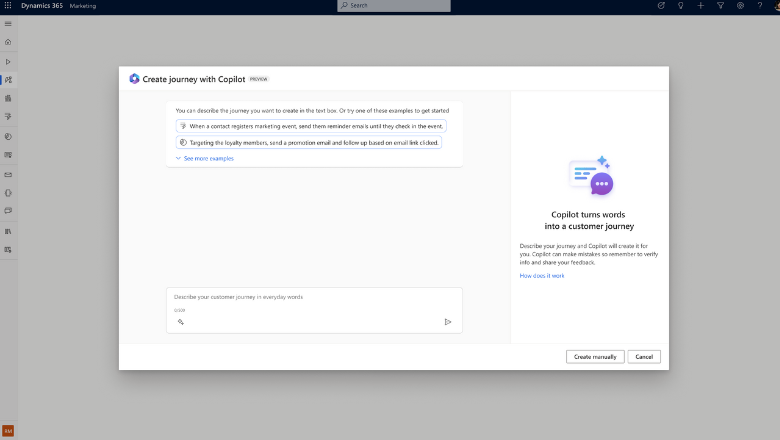
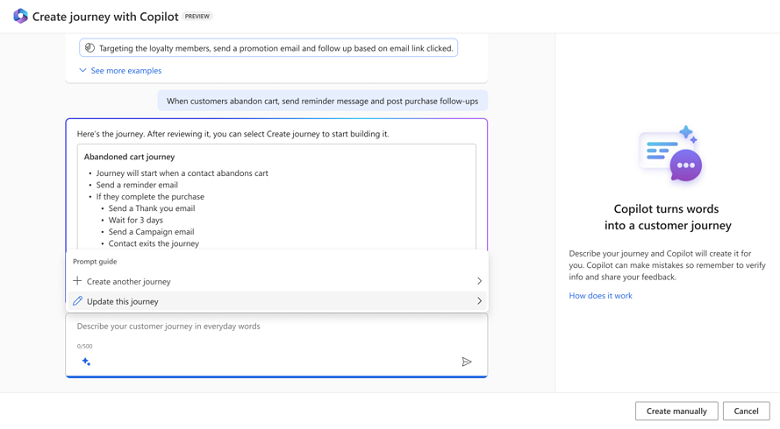
- Copilot integration: With the new integration with Copilot, you can create segments and target audiences using natural language. This makes it easier to reach the right people, in the right way, and at the right time.
- Greater reach: Previously, you were limited to sending emails to existing contacts. With Real-time Journeys, you can now also engage with leads—people with whom you don’t yet have a business relationship. This opens up entirely new opportunities to build relationships and generate business.
- Updated consent system: With this new update, consent information is stored at each touchpoint rather than on the contact card, allowing you to manage consent more flexibly and follow up on your leads more effectively.
What does this mean for you?
For those of you who are still using Outbound Marketing, it’s high time to start planning for the transition to Real-time Journeys. Even though both platforms have been running in parallel for some time, it will soon be time to leave Outbound Marketing behind entirely. Since Real-time Journeys is based on a completely different technology and methodology, it won’t be possible to simply copy your old processes as-is.
This means you need to consider which of your existing processes you want to migrate to the new app. Some adjustments will be necessary, but this also presents an opportunity to refresh both your processes and content to create more engaging and relevant communication.
One advantage is that much of the work you’ve already put into image libraries, segments, and templates in Outbound can be transferred to Real-time Journeys. This means you don’t have to start from scratch; instead, you can build on what you’ve already done.
Start preparing now
Given that Microsoft recommends you start transitioning away from Outbound Marketing right now, it’s a good idea to take a step back and begin preparing for the move to Real-time Journeys. By getting started now, you’ll ensure a smoother transition and be able to take advantage of the new features to optimize your marketing going forward.
Would you like help understanding the differences between Outbound Marketing and Real-time Journeys, or would you like support with your transition? Contact a Releyes expert for more information on how to transition to real-time.
Learn more about Microsoft's recommended steps for migrating to Real-time Journeys here:
https://aka.ms/OutboundtoRealtimeMarketingPlaybook
Contact Emmie:

Emmie Dejin
Business Consultant
emmie.dejin@releye.se
Contact us today
Email us at info@releye.se